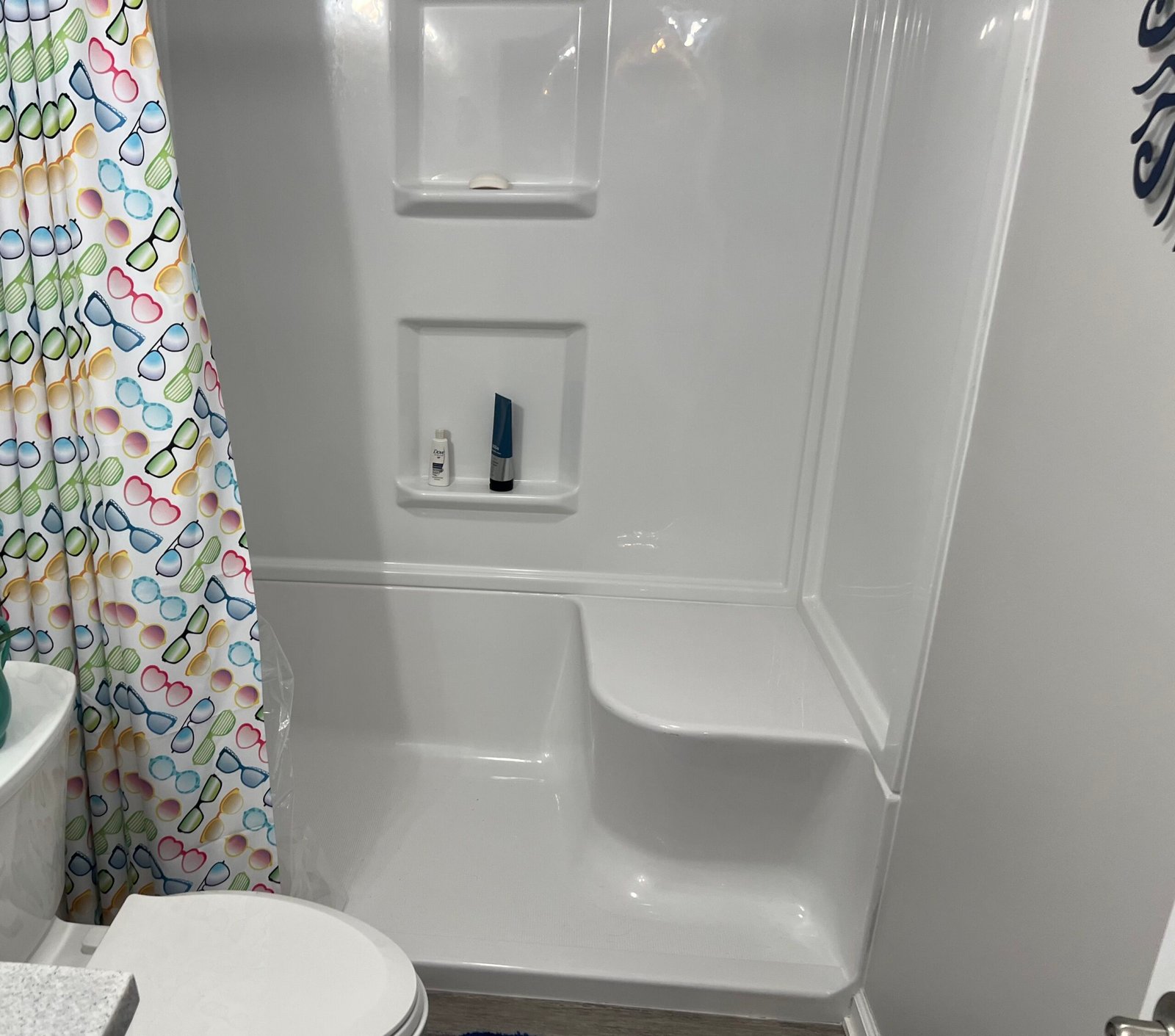
An occupational therapist (OT) can assess how you use the bathroom and identify tasks that are hard for you. That may change what you ask a contractor to build. The therapist can suggest changes based on your needs and goals. The contractor can check the room, the walls and the plumbing, then price the work. These are different jobs.[5][1]
Start with the movement that causes trouble
A bathroom can look fine in a photo and still be hard to use. Is the tub wall the problem? Is it hard to rise from the toilet or reach the shower controls? OTs help people with daily tasks, including bathing. AOTA says they can suggest home changes based on a person’s abilities and goals. They may also return after the work to check the fit and teach the use of equipment.[5][7]
If an illness or recent surgery has changed how someone moves, ask the care team whether an OT home assessment would help. A contractor’s estimate measures the job. It is not a medical exam.
Turn the assessment into a clear work plan
Ask the OT to note the hard task, the person’s path through the room, and any equipment they use. Which hand reaches for support? Do they bathe seated? Does someone help them? AOTA describes OTs and construction staff working on home changes as a team.[5]
Bring those notes to the estimate. Walk through the room with the contractor. Mark where support needs to be within reach before choosing a bar location. Check whether a seat fits and whether the person can reach the controls. The wall must also allow a secure mount. The right hand position alone does not tell an installer what is behind the tile. NextStep’s grab-bar placement guide explains these checks.[8]
The plan need not start with a full remodel. One well-placed bar might address the task. If the tub wall blocks entry, a low-entry shower or another bathing option may make more sense. The OT’s advice covers the person’s needs. The final build choice also depends on the room and the budget.[5][1]
Ask about the OT visit and the construction bill separately
Medicare Part B helps pay for outpatient OT when it is medically needed and a doctor or other qualified provider certifies the need.[7] AOTA says coverage for a home assessment depends on the case. An assessment within a skilled therapy plan may be covered. A visit to plan ahead, without a current need for skilled care, may not be.[6]
Do not assume that coverage for an OT visit pays for a new shower or permanent grab bars. Ask the therapist how the visit will be billed and check with your insurer. For the building work, read NextStep’s guide to Medicare and bathroom modifications. Confirm any plan benefit before ordering materials.[4][6]
Bring the right information to the estimate
If you have an OT report, bring it. If you do not, tell the contractor which part of bathing or using the toilet is hard. Show how you approach the fixture, but do not try a risky move just to make your point. Bring any written insurer or program rules before ordering work. This gives the installer a clear problem to solve and helps you compare the proposed work with the person’s needs.[5][4]
If you need clinical advice, speak with an OT or your care team first. NextStep’s bathroom services cover the building work it offers.[1]